




When it’s time to get behind the wheel of a new vehicle, you face a significant choice that has nothing to do with paint colors, trim levels, or horsepower: Should you lease or finance? Both options provide a path toward your next vehicle, but they handle your finances and ownership rights in entirely different ways. While a car lease offers lower monthly payments, financing provides long-term ownership without restrictions.
There is no universally right answer as to which is the better choice. It depends entirely on your personal lifestyle, budget, and driving habits. Let’s break down how each option works, weigh the pros and cons, and help you make an informed decision about which is best for you.
Understanding the Core Differences Between Leasing and Financing
You may hear people use the words “lease” and “finance” interchangeably. However, these two financial paths are extremely different. To make the best choice for your personal needs, it’s essential to understand what your monthly payments are going towards.
Leasing a car is often described as a long-term rental. When you lease a car, it’s important to understand you don’t actually own the vehicle. Instead, you’re paying the dealership for the right to drive the car for a pre-agreed-upon amount of time. Most leases last anywhere from 24 to 48 months. Your monthly payments are calculated based on your vehicle’s depreciation—the value your vehicle loses for the duration you drive it—plus interest and fees. When your lease term is over, you can return the vehicle to the dealership without consequences and upgrade to a newer model.
Financing a vehicle, or choosing an auto loan, means you are purchasing the vehicle and intend to own it outright. You pay for the car by borrowing money from a bank, credit union, or the dealership itself. With an auto loan, your monthly payments are going toward paying off the entire principal balance, along with accrued interest. Once you have completed all payments and the loan is fully paid off, the lender will release its lien on the title, and you will own the vehicle outright.
The Pros and Cons of Choosing a Lease
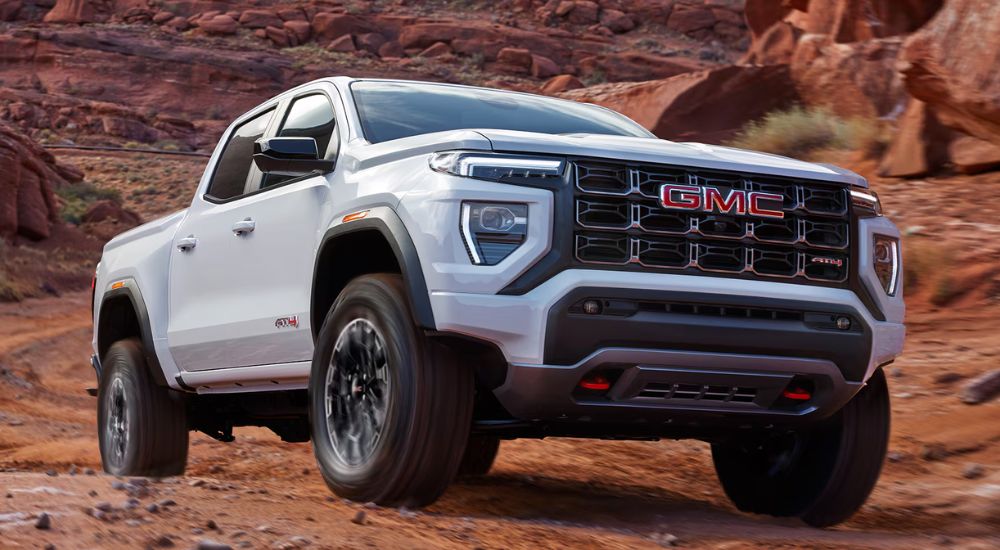
Leasing is an incredibly appealing option for drivers who enjoy frequent upgrades and tend to see a vehicle as an experience rather than an investment. Because lease terms tend to be short, you can easily upgrade to a new model with the latest features, technology, and styling every few years. The lower monthly payments and upfront costs of a lease can free up more of your budget for other expenses. Since the vehicle you’re leasing is new, it will almost surely come with the manufacturer’s bumper-to-bumper warranty, which will cover you if something major goes wrong. You also avoid the stress of trade-in negotiations or the hassle of finding a buyer when your lease ends. You can simply hand over the keys and move on.
Nothing is perfect, however, and a vehicle lease does have some downsides. Although you’re making payments each month on a lease, you build no equity in the vehicle, meaning you’ll recoup none of your investment. Leases come with strict mileage limits, typically between 10,000 and 15,000 miles per year. If you exceed these limits, you may have to pay hefty fees for the excess miles. If the leased vehicle is returned with scratches, dents, or interior stains, you will likely be charged for excessive wear and tear. Finally, if you decide to transition directly from one lease to another, you will have a permanent vehicle payment for as long as you’re driving.
The Pros and Cons of Financing a Vehicle
Financing a vehicle appeals to drivers who seek true ownership, value independence, and enjoy long-term financial planning. Once your loan is paid off, the vehicle belongs to you. You can drive it for years payment-free, drastically reducing your long-term transportation costs. You can also drive as much as you want with a loan. Whether it’s cross-country road trips or extended daily commutes, your miles are yours to do with as you please. Whether you want to upgrade your sound system, tint the windows, or change your exhaust, you have the freedom to choose, because the vehicle is yours. You can also choose to sell or trade your vehicle at any time, even if you haven’t finished paying off your loan.
As with leasing, there are some drawbacks to an auto loan. Financing a vehicle comes with higher monthly payments and a larger down payment to secure a good interest rate. Cars also depreciate quickly, and as the owner, you will absorb that loss. If you decide to sell the vehicle too early, you might find out you owe more on the car than it’s actually worth. Once the manufacturer’s warranty has expired, the cost of servicing and repairs will be entirely out of your pocket. When you’re ready to upgrade to a new vehicle, you will have to go through the hassle of a private sale or negotiate a fair trade-in value.
Important Questions to Help Guide Your Decision
If you’re still unsure which option is best for you, asking yourself these practical questions can help clarify whether a lease or a loan will suit your needs.
How Much Do You Drive?
If you have a long daily commute or simply love spontaneous road trips, financing is the safer bet. The mileage cap on a lease can often lead to stress and worry. However, if you work from home or primarily use your vehicle locally, a lease could be the perfect fit.
How Long Will You Keep the Vehicle?
Are you someone who gets bored with your vehicle within a few years? Or are you a person who will drive a car until the wheels fall off? If you love the thrill of that new-car smell and all the latest features, leasing keeps you in a cycle of new models. However, if you long for the day when your car payment is nonexistent, financing is the way to get there.
How Hard Are You on Your Vehicles?
Do you have pets who often enjoy car rides? Do you have kids who are constantly snacking and potentially leaving spills? Maybe you frequently park on tight city streets where an occasional door ding is inevitable. A financed car allows you to live with minor damages without penalty. However, a leased vehicle demands a higher level of care to avoid extra charges at the end of your term.
Final Thoughts: Finding the Path That’s Right for You
Ultimately, neither leasing nor financing is the clear superior choice. They simply serve different purposes and lifestyles. Leasing prioritizes lower monthly payments, short-term flexibility, and the enjoyment of driving a brand-new vehicle with minimal worries. On the other hand, financing prioritizes long-term financial value, more driving freedom, and the goal of owning a debt-free asset.
Which choice is better for you will depend on your priorities. Take a close look at your budget, calculate your annual mileage, and be honest about how you treat your vehicles. By matching your choice to your lifestyle and personal needs, you’ll be able to drive off the lot confident in your final decision.
Connect with us


- Buick Dealer
- Buick Enclave for Sale in Golden Valley
- Car Lease
- GMC Acadia for Sale in Golden Valley
- GMC Canyon for Sale
- GMC Dealer
- GMC Dealer Near Plymouth
- GMC Dealer Near Wayzata
- GMC Sierra 1500 for Sale
- GMC Sierra 1500 for Sale in Golden Valley
- GMC Sierra 1500 for Sale Near Brooklyn Park
- GMC Terrain for Sale
- GMC Terrain for Sale in Golden Valley
- GMC Yukon for Sale
- Used Cars for Sale
- Used Trucks for Sale